Not sure which Everett neighborhood fits your life and budget? You are not alone. Everett offers everything from historic bungalows near downtown to newer cul-de-sac homes near Paine Field, plus condos with water views. In this guide, you will learn how the major areas differ by home style, lifestyle, commute, and price positioning so you can compare with confidence. Let’s dive in.
Everett at a glance
Everett stretches from a walkable waterfront core to suburban pockets near Mill Creek and Lake Stevens. Your day-to-day experience can look very different depending on whether you choose a condo downtown, a Craftsman near Broadway, or a newer home near Paine Field. Regional buses and I-5 connect you to Seattle and Bellevue, and the Mukilteo corridor links you to ferries and local employers. For official neighborhood and planning resources, explore the City of Everett’s planning pages at the City of Everett Planning and Community Development.
Neighborhood clusters and what you will find
Downtown and Port Gardner waterfront
You will see mid-rise and some high-rise condos, loft-style conversions, and a handful of historic homes close to the core. This area prioritizes walkability to restaurants, theaters, the marina, and waterfront paths. Condos with water or marina views often sit at a premium. Commuters benefit from quick access to I-5 and regional buses, plus proximity to Everett Station.
Riverside, Broadway, and Highlands
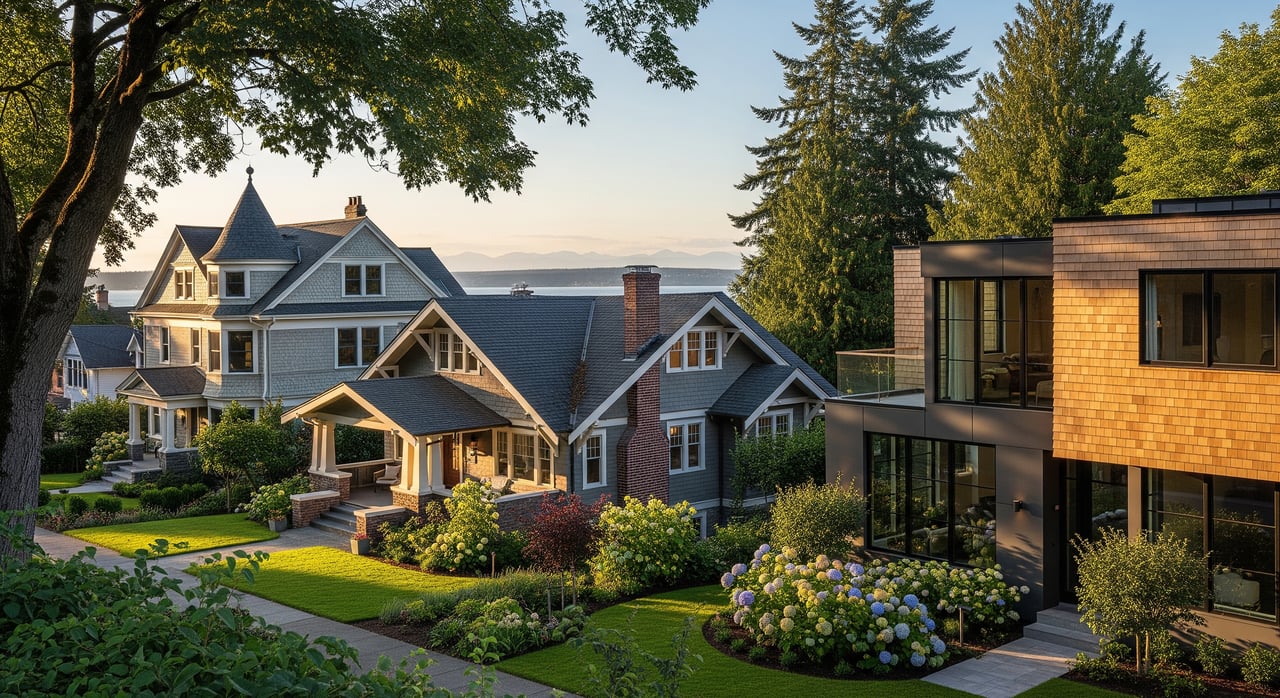
These central neighborhoods feel residential but stay close to downtown. Expect early 20th century Craftsman bungalows, some Queen Anne and Colonial Revival homes, and mid-century houses on modest lots. Many have tasteful updates while keeping original charm. Short bike rides or quick drives reach downtown amenities, and bus service runs along major arterials.
Lowell, West Everett, and Westmont
You will find a mix of historic homes and mid-century ranches and splits. Streets are more single-family in feel, with parks close by. The lifestyle leans quiet and practical, with a range of renovation opportunities. Access to I-5 makes north or south commutes manageable.
North Everett and Mukilteo corridor
This corridor includes newer subdivisions, some townhomes, and view homes on bluffs and ridgelines that look toward Port Gardner Bay and Puget Sound. It is primarily suburban and car-oriented, with quick links to Mukilteo, the ferry, and Paine Field. Some buyers choose this area for shorter commutes to Boeing and other local employers. Expect premiums for strong water or territorial views in hillside pockets.
Silver Lake and nearby lake neighborhoods
Around Silver Lake, you will see modest mid-century cottages and ranches, plus newer remodels and infill. The vibe is relaxed and recreation-focused with neighborhood parks and lake access. Many homes have manageable yards and single-level living. It is quieter than downtown but still close to shopping and services.
South Everett, Mill Creek edge, and Paine Field vicinity
This area trends newer with master-planned communities, cul-de-sacs, and larger two-story homes. Buyers often prioritize open-plan interiors, bigger garages, and modern systems. Shopping centers and daily services are convenient by car. Commutes to Seattle and Bellevue vary by time of day, while reverse commutes to Paine Field and Boeing are common.
Station-area and transit-adjacent pockets
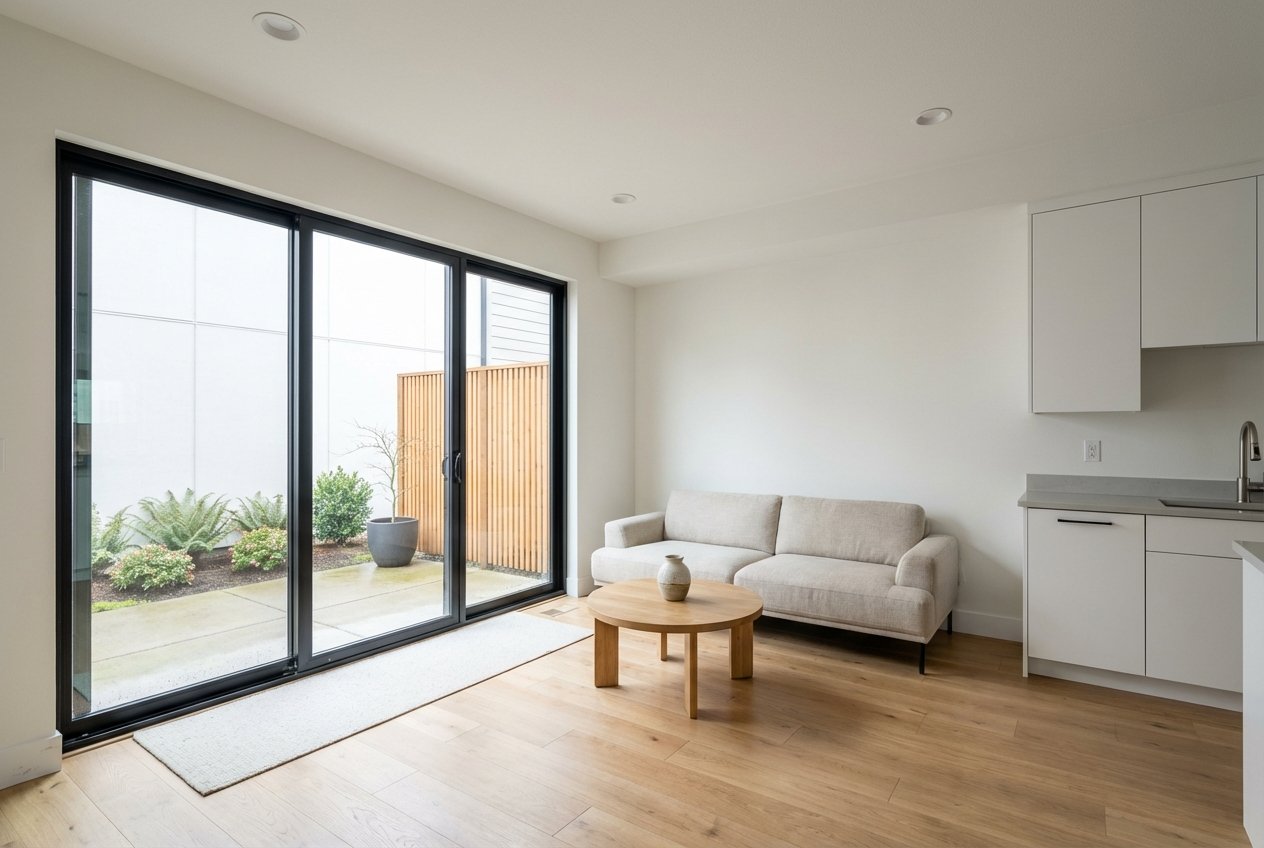
Near Everett Station and along primary corridors, builders have added more townhomes and mid-rise mixed-use buildings. You will find condos and rentals with lower maintenance and easy access to buses. These locations work well if you want a compact footprint, parking solutions, and proximity to services. HOA dues and amenity packages vary and should be part of your monthly budget planning.
Home styles by era and what to expect
Historic-era homes
If you love character, look near Riverside, Broadway, and central pockets by downtown. You will find Craftsman bungalows, Queen Anne, and Colonial Revival homes from the late 1800s through the 1930s. Floor plans often start with two to three bedrooms, and many have thoughtful expansions. Plan for potential upgrades to electrical, plumbing, windows, and insulation.
Mid-century homes
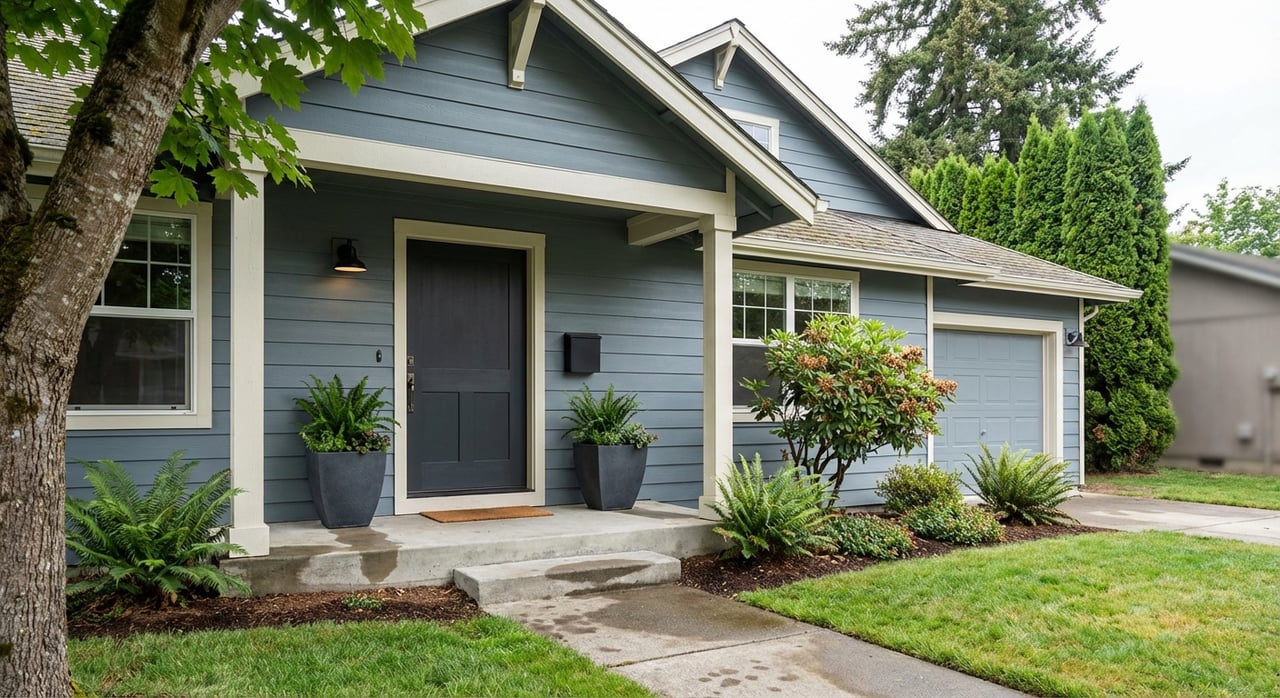
Silver Lake, West Everett, and parts of Lowell offer many ranches and split-levels from the 1940s through the 1970s. Single-level living and medium yards are common. Kitchens and baths may be ready for updates, which can be a plus if you want to customize. These homes can be strong values compared to newer builds.
Newer subdivisions and planned communities
On Everett’s northern and southern edges and near Mill Creek and Lake Stevens borders, you will find 1990s to present-day communities with modern layouts. Look for larger garages, open kitchens, and primary suites with more storage. Some neighborhoods have HOAs that cover common-area maintenance and amenities. Newer builds can mean lower near-term maintenance but confirm HOA dues and rules.
View homes and hillside contemporary
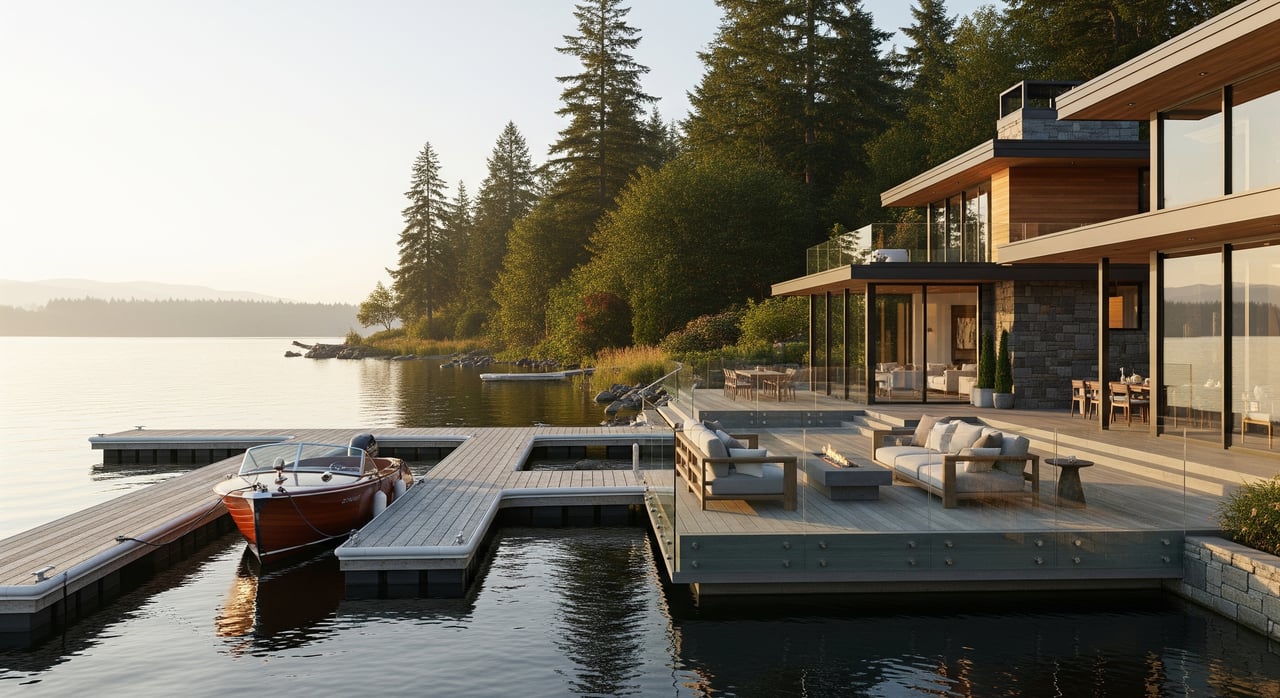
Bluffs and ridgelines along Port Gardner Bay and the Mukilteo approach feature view properties with decks and window walls. Mid-century homes with modern renovations and custom contemporaries are common. Views often command a premium on price per square foot. Ask about slope stability, drainage, and any site-related maintenance plans.
Condos, townhouses, and mixed-use buildings
Downtown and transit-adjacent areas have the densest condo and townhome selection. You trade yard work for convenience and proximity to services. Factor HOA dues, parking, storage, and any rental restrictions into your decision. Resale desirability often tracks with walkability and building quality.
ADUs and duplex options
Everett and Snohomish County have permitting paths for accessory dwelling units. If you want space for multigenerational living or potential rental income, review local rules before you buy. Start with the City of Everett’s planning resources to understand current ADU standards and processes at the City of Everett Planning and Community Development.
Lifestyle and commuting insights
Most residents drive I-5 or take regional buses for work trips. Typical one-way commutes to central Seattle often fall in the 30 to 45 minute range, though peak traffic can extend that window. For a data-backed view of regional commute patterns, check the U.S. Census Bureau’s American Community Survey commute data. If you plan to rely on transit, explore routes and service maps from Community Transit and Everett Transit.
If you compare Everett to Lynnwood, note that the Lynnwood Link light rail extension opened to Lynnwood in 2024, which shapes some south-corridor commute choices. You can review project details on the Sound Transit Lynnwood Link Extension. For road conditions and congestion planning, the Washington State Department of Transportation provides highway status and traffic volumes.
Price tiers and what moves the needle
- Entry-level condos and small townhomes: Often the most affordable path into central Everett and low-maintenance living.
- Mid-tier single-family: Historic bungalows and mid-century ranches near the core usually land in the middle of the market.
- Premium single-family and view homes: Waterfront-adjacent, hillside view properties, or extensively remodeled period homes sit at the top of the range.
- New construction subdivisions: Pricing varies by builder, lot size, and distance from the core, often competitive on a per-square-foot basis with modern amenities.
What pushes pricing up: water or territorial views, proximity to downtown and the waterfront, recent full remodels, larger lots, and newer builds. Proximity to major employers like Boeing and the Port of Everett can also support higher values nearby. For property-specific tax and assessment details, use the Snohomish County Assessor. Because prices shift with interest rates and inventory, watch trusted local reporting such as the Everett Herald for trend context.
Everett vs. nearby cities
Everett vs. Lynnwood
Lynnwood offers extensive retail and a major light rail hub to the south. Everett balances a redeveloping waterfront, a lively downtown, and significant local employers. Your decision often comes down to commute priorities, housing style, and whether you prefer urban or suburban daily routines.
Everett vs. Mukilteo
Mukilteo generally commands premiums for waterfront proximity and ferry access. Everett offers a wider variety of condos, townhomes, and single-family options across many price points. If you want water views without the highest premiums, consider north Everett and the Mukilteo corridor hillsides.
Everett vs. Mill Creek and Lake Stevens
You can often find larger yards and newer construction in these suburban communities, sometimes with similar price points depending on features and location. Everett gives you more urban choices and shorter hops to the marina and downtown venues. Weigh commute patterns, home age, and maintenance preferences when deciding.
How to choose your fit
- Start with lifestyle: walkable condo, classic bungalow, or newer suburban home.
- Map your commute and transit options at peak times.
- Decide how much yard and maintenance you want to handle.
- Prioritize must-haves like a garage, office, or ADU potential.
- Preview HOA rules and dues if you are considering condos or planned communities.
When you are ready, tour a few neighborhoods back-to-back. Seeing a Craftsman near Broadway, a Silver Lake ranch, and a newer Paine Field home on the same day makes trade-offs crystal clear.
If you want a calm, guided way to compare Everett neighborhoods, reach out to Kelli Leese for a neighborhood consult, on-the-ground tours, and pricing guidance tailored to your goals.
FAQs
Where can you find historic bungalows in Everett?
- Look in central residential neighborhoods west and south of downtown, often labeled Riverside, Broadway, or Old Everett, where early 20th century Craftsman homes are common.
Which Everett areas offer the strongest water or territorial views?
- Hillside and bluff properties facing Port Gardner Bay and the Mukilteo corridor typically deliver the best views and command higher prices.
Are there many new subdivisions within Everett city limits?
- Yes, most newer planned communities sit on the north and south edges of the city and near Mill Creek and Lake Stevens borders, with larger two-story homes and modern layouts.
Where should you look for condos and walkable urban living in Everett?
- Downtown and transit-adjacent pockets near Everett Station have the highest concentration of condos, townhomes, and mixed-use buildings with shops and services nearby.
How much can commute times vary across Everett neighborhoods?
- Central and south Everett can be marginally faster for southbound I-5 access, while north Everett is closer to Mukilteo and north-side jobs; peak traffic can extend travel times, so check routes with Community Transit and Everett Transit.
What maintenance should you plan for with older historic homes?
- Budget for possible updates to electrical, plumbing, roofing, windows, and insulation, and always order a full home inspection to scope costs.
Are ADUs allowed in Everett’s single-family neighborhoods?
- ADUs are increasingly common region-wide; review current rules and permits through the City of Everett Planning and Community Development before you buy or build.
Where can you verify property taxes and assessed values in Snohomish County?
- Use the Snohomish County Assessor to research parcel details, assessed values, and tax information.