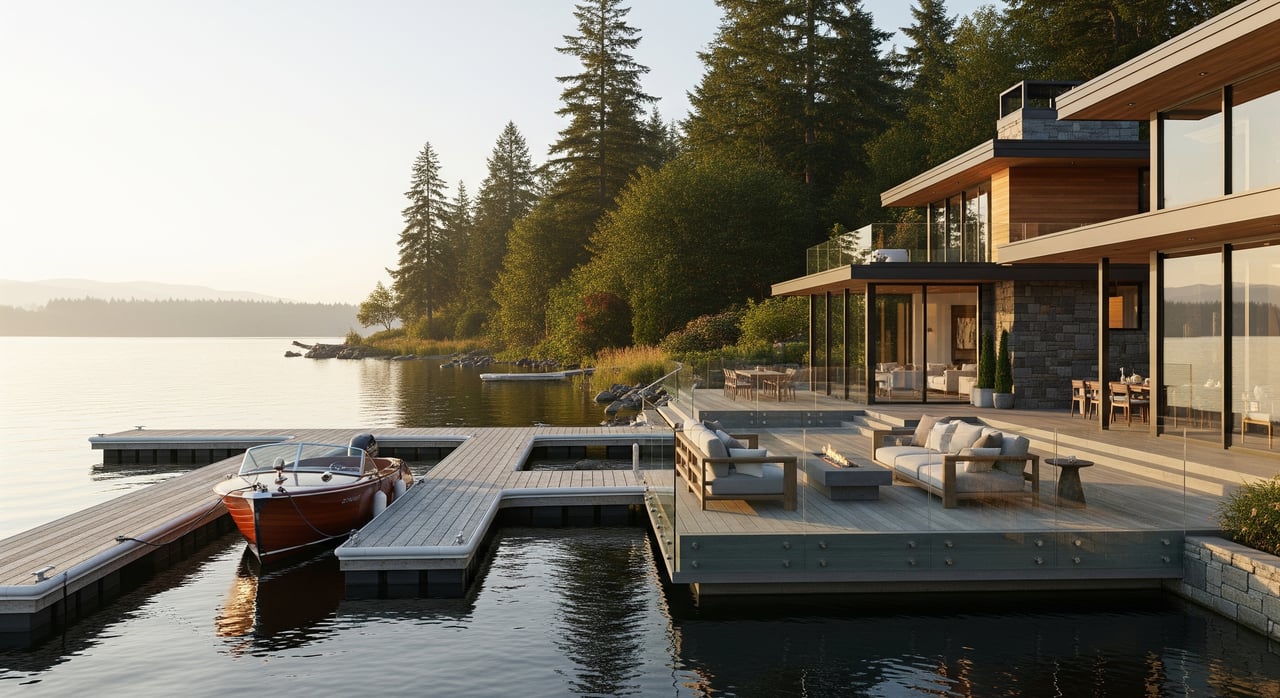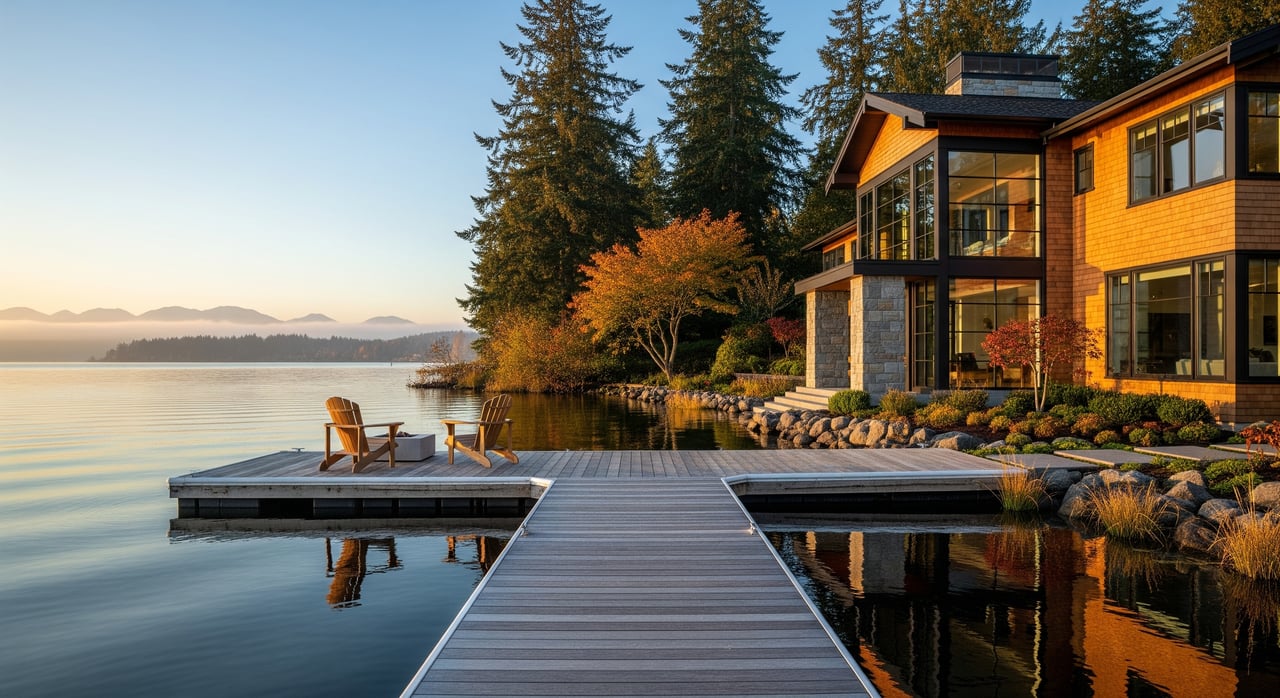
Picture your morning coffee on a quiet dock, glassy water stretching out in front of you. Buying a lakefront home in Lake Stevens can deliver that daily calm, along with year-round recreation. It also comes with unique rules, inspections, and costs that standard homes do not. In this guide, you will learn what to check, who to call, and how to buy with confidence in Lake Stevens and greater Snohomish County. Let’s dive in.
Why Lake Stevens lakefront stands out
Lake Stevens sits in Snohomish County within the Seattle–Bellevue–Everett metro area, so you get waterfront living with commuting access to major job centers. Many buyers are drawn to boating, fishing, and a strong sense of connection to the water. The Lake Stevens School District serves the area, and many lakefront streets are close to daily services.
Waterfront homes usually command a premium over similar non-waterfront properties. Inventory is often limited, and comparable sales can be sparse, so pricing and timing require careful strategy. Some buyers plan to live full time on the lake, while others want a second home for weekends.
Know the shoreline rules first
State and local shoreline management
Washington’s Shoreline Management Act sets statewide rules for development along shorelines. Cities and counties implement those rules through local Shoreline Master Programs. In Lake Stevens and Snohomish County, shoreline activity is regulated and may include setbacks, limits on tree removal, and standards for docks or stabilization.
Permits for docks and bulkheads
Projects in or over the water, like docks, pilings, or bulkheads, often require permits. Depending on scope, you may need a Shoreline Substantial Development Permit or an exemption. In-water work typically requires a Hydraulic Project Approval from the Washington Department of Fish and Wildlife. Some larger projects can involve the U.S. Army Corps of Engineers and the Washington Department of Ecology. Local building permits and critical areas review can also apply.
Critical areas and buffers
Many lakefront parcels include steep slopes, riparian buffers, wetlands, or other mapped critical areas. These conditions can limit where you build, how you stabilize the shoreline, and whether you can remove certain vegetation. You may need mitigation or specific setbacks. Plan early so your design and budget match local rules.
Floodplains and water boundaries
Some waterfront lots are in mapped floodplains. Mortgage lenders rely on FEMA Flood Insurance Rate Maps to determine if flood insurance is required. Waterfront boundaries can be complex. Mean high-water marks and riparian lines influence where private ownership ends and public water begins. A current survey and title review are essential to confirm what you own and what rights transfer.
Property features to vet
Title, access, and recorded rights
Ask your agent and title company to verify recorded easements, access corridors, and any shared or community dock agreements. Some homes have recorded moorage rights while others do not. Review CC&Rs and any HOA rules about boat size, seasonal use, or rental limits.
Docks, moorage, and shoreline structures
Existing docks or bulkheads may not match current standards or could be near the end of their lifespan. Confirm whether prior work was permitted and get a structural inspection of pilings, decking, and fasteners. Replacement or enlargement usually requires permitting, and materials and dimensions may be limited to support fish habitat.
Utilities and systems
Some lakefront homes are on municipal sewer while others use septic systems. Verify sewer availability and capacity. If the property has a septic system, inspection and maintenance records matter for financing and resale. Properties that rely on a private well should have water quality and flow tested.
Access and private roads
Certain waterfront parcels are accessed by private roads or shared driveways. Confirm maintenance responsibilities, cost sharing, and any recorded road agreements.
Taxes and assessments
Waterfront parcels often have higher assessed values than similar inland homes. Review the current assessed value and recent tax history. Ask about any special assessments that may apply for lake management, sewer extensions, or local improvement districts.
Environmental realities on the lake
Aquatic invasive species
Freshwater lakes across Washington work to manage invasive plants like Eurasian watermilfoil. Follow boat-cleaning guidance when moving between lakes. If you plan to keep a boat at your dock, understand local programs or rules that help protect the lake.
Harmful algal blooms
Harmful algal blooms can periodically affect freshwater lakes in the region. Before buying, check for advisory history and understand how blooms may impact swimming or pets during certain seasons. Washington State Department of Health advisories provide current notices.
Seasonal use and lifestyle tradeoffs
Summer activity brings wake noise, boat traffic, and visibility from the water. Ask about seasonal patterns, vegetation growth, and privacy. In winter, some properties face increased wind exposure or maintenance needs related to erosion control.
Financing, insurance, and appraisal
Waterfront financing
Lenders generally treat waterfront homes similar to other residential loans, but appraisals can be more complex. If there are few comparable sales, your appraiser may need more time and a wider search. Unique features like private moorage, steep lots, or septic systems can factor into value and underwriting.
Flood insurance
Standard homeowner policies typically exclude flood damage. If the home is in a FEMA Special Flood Hazard Area and you have a mortgage, flood insurance is usually required. Even if it is not required, some buyers opt for voluntary flood coverage due to proximity to the lake. Premiums depend on flood zone, elevation, mitigation, and claim history.
Liability and coverage
Consider umbrella liability coverage if you will host guests on docks or near the water. Insurance providers may ask about swimming areas, ladders, lighting, and safety equipment. Get quotes early so coverage and cost align with your budget.
Must-do inspections and surveys
A waterfront purchase deserves deeper due diligence. Plan for:
- Standard home inspection for structure and systems.
- Specialized shoreline inspection for docks, pilings, bulkheads, and retaining walls.
- Geotechnical or slope stability review if there are steep slopes or signs of erosion.
- Septic inspection and dye test if the property is not on sewer.
- Well flow and water-quality testing if there is a private well.
- Boundary survey that shows the waterline, easements, and the mean high-water mark context.
- Environmental screening if historical use suggests possible contamination.
Your step-by-step buying plan
Define your non-negotiables. List must-haves like private dock, low-bank access, garage parking, or sewer connection. Rank them in order of importance to guide tradeoffs.
Assemble your waterfront team. Work with a local agent experienced in Lake Stevens shoreline properties. Add a surveyor familiar with high-water mark issues, a shoreline or environmental consultant for permit strategy, and a structural engineer when docks or bulkheads are involved.
Review title and recorded rights. Ask for all recorded easements, HOA rules, and any shared moorage agreements. Confirm who maintains private roads and docks.
Investigate permits early. If you may replace or add a dock, bulkhead, or lift, discuss the Shoreline Master Program, potential exemptions, and the need for a Hydraulic Project Approval. Align your plans with what is likely to be permitted.
Verify utilities and onsite systems. Confirm sewer availability with the city. For septic, obtain pumping and inspection records and budget for repairs if needed. Test private well water and flow where applicable.
Check flood maps and insurance. Determine if the property is in a Special Flood Hazard Area. Request any elevation certificates and obtain quotes for homeowner, flood, and umbrella liability coverage before you write an offer.
Budget for maintenance. Docks, pilings, and bulkheads need periodic attention. Factor in vegetation management, possible shoreline mitigation, and higher property taxes and insurance.
Validate environmental and lake programs. Ask about invasive species management, weed control, or lake improvement districts that could affect use, costs, or access.
Plan for appraisal. Expect added scrutiny if comps are limited. A flexible closing timeline and strong documentation of features and condition can help the process.
Walk the lake like a local. Visit at different times and seasons. Notice boat traffic, wake patterns, parking constraints, and sunlight exposure across the day.
Resale and long-term ownership
Lakefront homes offer compelling resale appeal thanks to views, water access, and limited supply. The same factors that attract you will attract future buyers. Keep in mind that maintenance, permitting for improvements, and sensitivity to water quality can influence value. Owning with a long-term mindset and solid records for docks, septic, and permits helps protect your investment.
Ready to search with confidence?
Buying on Lake Stevens is about matching your lifestyle goals with the realities of shoreline rules, inspections, and insurance. With experienced guidance, you can navigate permits, verify rights, and plan for long-term care of the property. If you want a calm morning on the dock and an informed plan behind it, you are on the right track.
For thoughtful, local help from search to closing, connect with Kelli Leese. She brings 16 years of Snohomish County expertise, a boutique level of service, and a calm, step-by-step approach so you can buy with clarity and enjoy the lake.
FAQs
Who owns the shoreline for Lake Stevens homes?
- Ownership to the water is not automatic and depends on your deed, plats, and the mean high-water mark, so verify with a boundary survey and title review.
Can I build or replace a dock on Lake Stevens?
- Possibly, but most dock work requires local shoreline review and a state Hydraulic Project Approval, so plan permits before you design or budget.
Do I need flood insurance for a Lake Stevens lakefront home?
- If your home is in a FEMA Special Flood Hazard Area and you have a mortgage, it is typically required, and many owners consider coverage even outside mapped zones.
What inspections are most important for a lakefront purchase?
- Beyond a standard home inspection, prioritize dock and bulkhead structural reviews, septic and well testing if applicable, geotechnical review for slopes, and a current boundary survey.
Are Lake Stevens homes on sewer or septic?
- Many lakefront homes connect to municipal sewer where available, while others use septic systems, so verify service and obtain records before you offer.
Are harmful algal blooms a concern on Lake Stevens?
- Freshwater lakes in the region can see periodic advisories, so check Washington Department of Health notices and ask about recent local monitoring.
How do appraisals work for unique waterfront homes?
- Appraisals may use a wider set of comparables when inventory is limited, and lenders may require added documentation due to docks, steep lots, or septic systems.