Thinking about adding a backyard cottage or converting part of your home into a rental? In Lake Stevens, an accessory dwelling unit can help you create steady income, support multigenerational living, or simply add flexible space. You might be unsure where to start or what local rules apply. This guide walks you through the essentials so you can plan with confidence and avoid surprises. Let’s dive in.
What is an ADU?
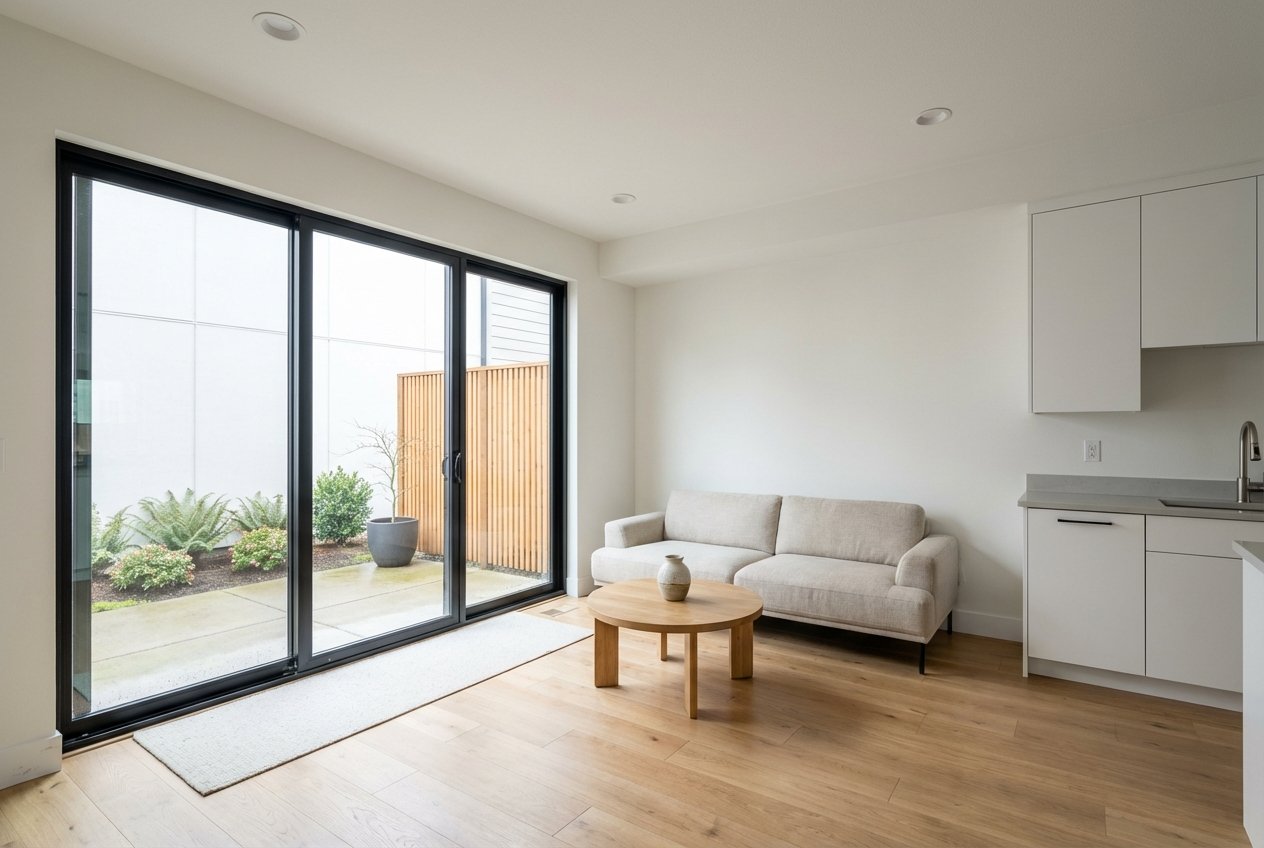
An accessory dwelling unit is a smaller, independent home on the same lot as a primary residence. In the Lake Stevens area, you’ll see a few common versions:
- Attached ADU: A new addition or a converted space in your home with its own entrance.
- Detached ADU: A separate small house or cottage in the backyard.
- Interior or garage conversion: A basement, attic, or garage turned into a private unit.
- Junior ADU (JADU): A compact unit within the main home, often limited in size and sharing some systems.
Each type must include living space, a bathroom, and a kitchen or kitchenette. The right choice depends on your lot, budget, and how you plan to use the space.
Why Lake Stevens homeowners add ADUs
- Create long-term rental income and offset your mortgage.
- Provide a private home for aging parents or adult children.
- Increase overall property value and flexibility.
- Contribute to local housing supply in a high-demand region.
If you aim to rent, the Seattle-Bellevue-Everett area generally sees strong renter demand. If you want space for family, consider universal design choices that make the unit comfortable for all ages.
Will your property work?
Before you sketch floor plans, look at your site and services. A quick reality check now can save time and money later.
Sewer or septic
- On municipal sewer: ADU hookups are usually simpler, but you still need to confirm capacity and pay connection and utility fees.
- On septic: You will need a septic evaluation and may need to upgrade or expand the system. Contact the local health authority early in the process.
Shorelines, wetlands, and slopes
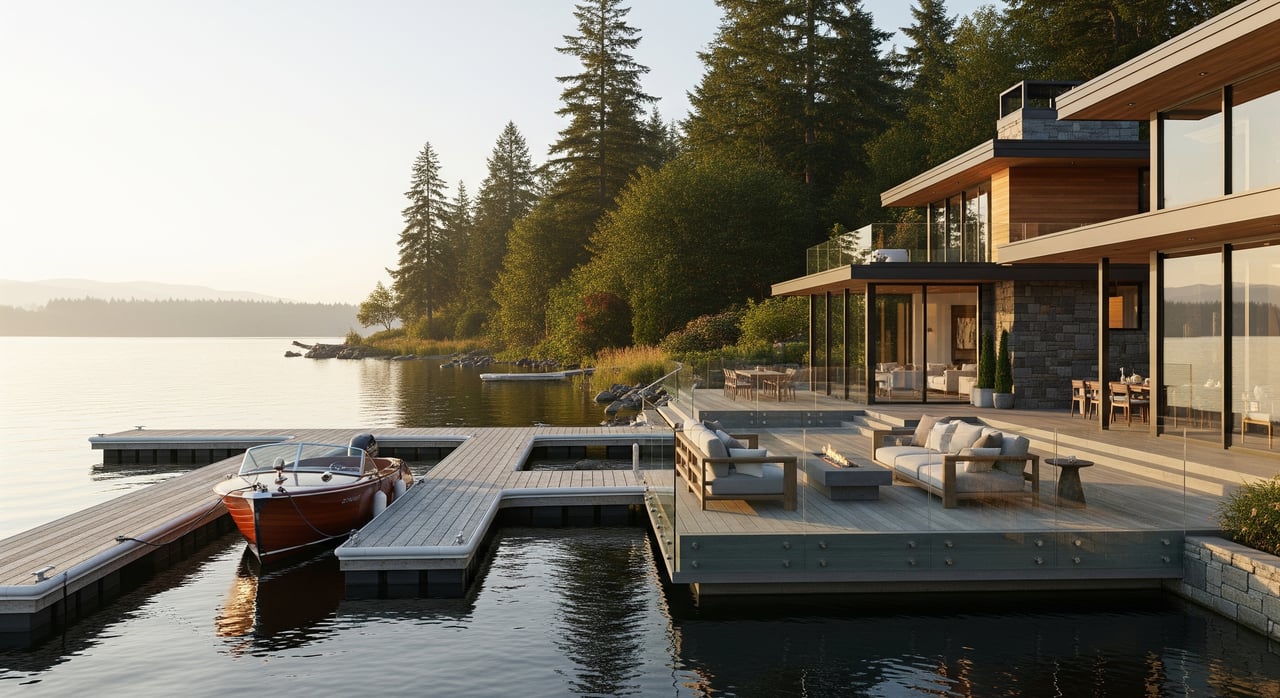
Lake Stevens has shoreline and critical area protections. If your lot is near the lake, wetlands, steep slopes, or in a flood zone, you may face extra permits and design limits. These sites can add time and cost and sometimes make a detached ADU impractical.
Access and parking
Think about safe, practical access to a detached unit. Side-yard width, grade changes, and driveway layout all matter. Some jurisdictions require an additional off-street parking space for an ADU. Confirm the current rules for your address.
Utilities and stormwater
You will need to plan for water, sewer or septic, electric, and possibly gas. Many projects must handle roof runoff and drainage to meet stormwater rules. Make room in your budget for trenching, meters, and capacity fees.
Building and energy code
ADUs must meet the Washington State Energy Code and local building codes. That means proper insulation, ventilation, egress, and fire separation for attached or interior units. A licensed contractor or architect can help you design to code from day one.
Local climate and durability
Our rainy season affects scheduling and construction. Choose materials, rooflines, and site drainage that stand up to Pacific Northwest weather.
Design choices that boost livability
- Right-size the layout: Plan for a efficient kitchen or kitchenette, a full bathroom, storage, and space for laundry if possible.
- Privacy and access: Use a separate entrance, consider window placement, and add landscape buffers for privacy.
- Universal design: No-step entries, wider doors, and good lighting help guests of all ages.
- Energy efficiency: Insulate well and pick efficient windows and heating. It improves comfort and lowers utility costs.
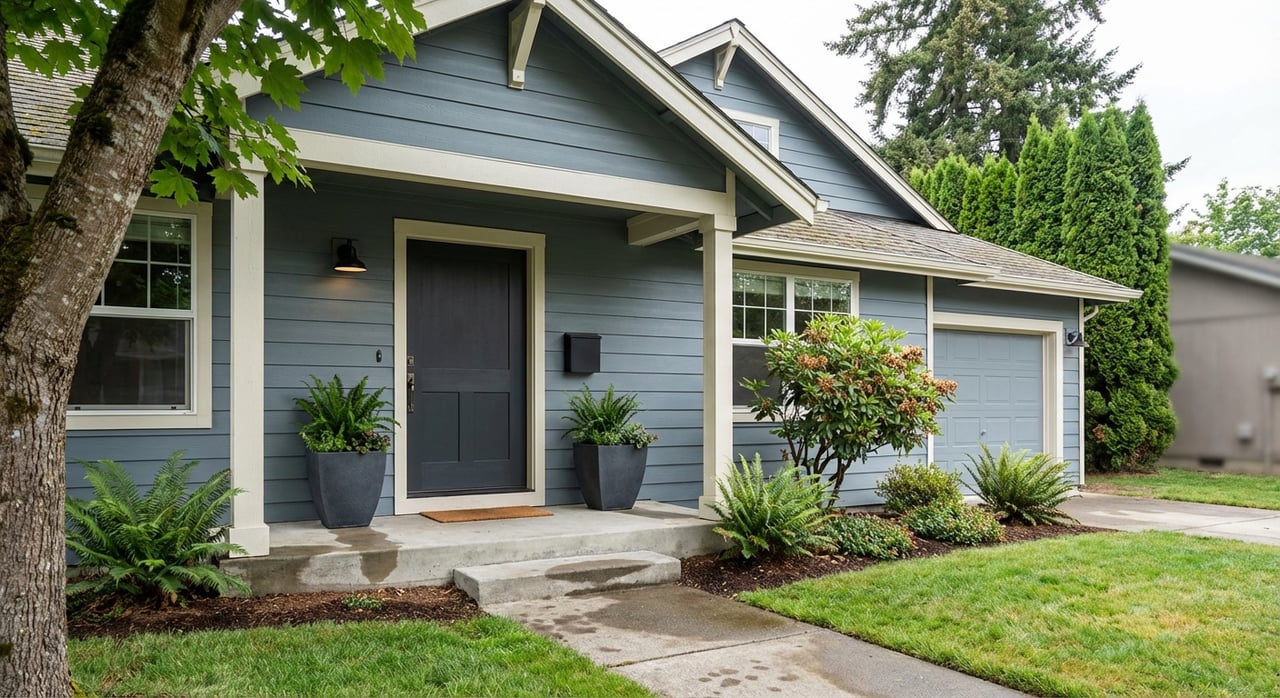
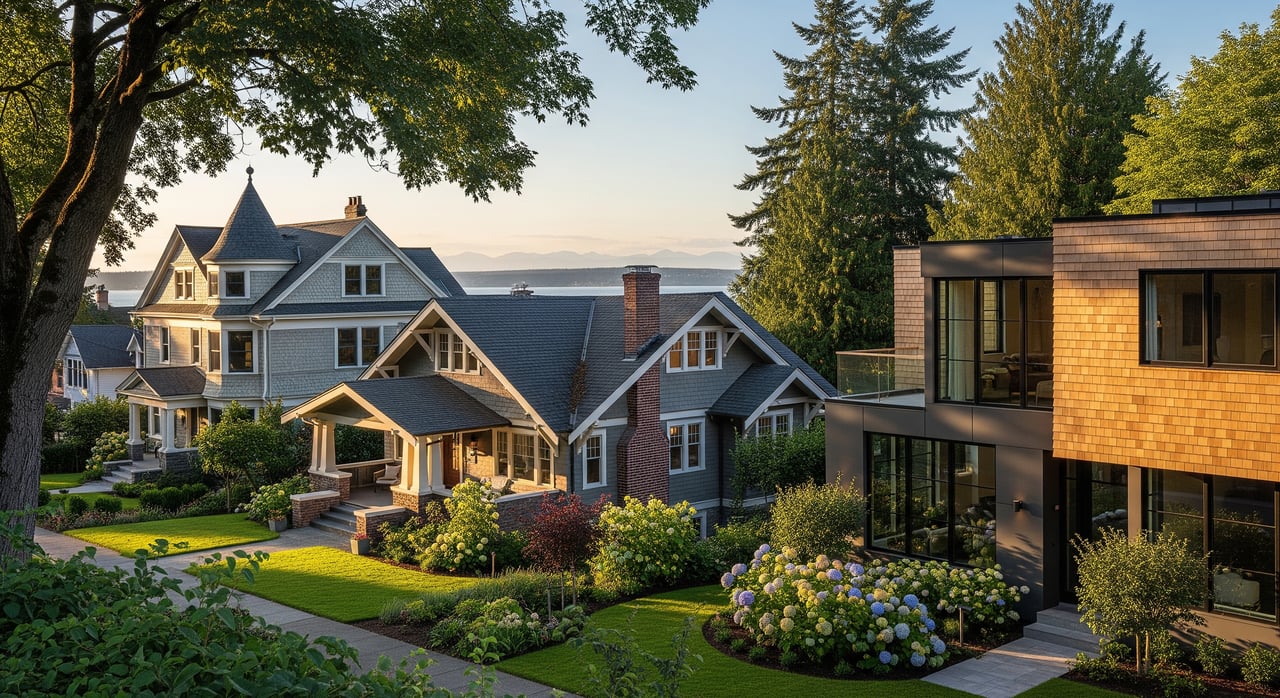
- Neighborhood fit: Many cities ask ADUs to complement the main home. Matching roof pitch, siding, and scale can ease design review and improve curb appeal.
Rules and permits to expect
ADU rules are set by the local jurisdiction where your property sits. In the Lake Stevens area:
- City of Lake Stevens planning and building divisions handle properties inside city limits.
- Snohomish County Planning and Development Services covers unincorporated areas.
- The local health authority reviews septic systems.
- Water and sewer districts, along with electric and gas providers, set connection and capacity requirements.
Common items to confirm for your address:
- Allowed zones for ADUs.
- Maximum size and height limits, and how size relates to the primary home.
- Setbacks from property lines and special shoreline or critical area limits.
- Minimum lot size (if any) for detached units.
- Parking requirements for the ADU.
- Owner-occupancy rules and how many ADUs are allowed per lot.
- Short-term rental restrictions and local licensing, if you plan to host guests.
- Impact fees and utility connection fees, including any ADU-specific reductions.
- Design standards and whether your project needs administrative or design review.
Rules evolve with state policy, so always check current city or county guidance.
A smart permitting path
- Schedule a pre-application meeting with planning and building staff.
- Order a site survey and draft a simple site plan with setbacks, utilities, and parking.
- Confirm sewer availability or start a septic evaluation if you are not on sewer.
- Prepare drawings for the ADU, including floor plans and elevations. Structural plans may be required for new detached units.
- Apply for the building permit and any special permits such as shoreline or critical areas.
- Plan for inspections at key stages and a final inspection for occupancy.
What ADUs cost in our region
Costs vary by scope, site conditions, and finishes. In the Puget Sound area, labor and materials often run above the national average. As a general guide:
- Interior or garage conversions: Typically the most affordable, often in the tens of thousands of dollars depending on upgrades.
- Detached new construction: Usually mid-to-high five figures to low six figures, driven by size, site work, and utilities.
Get multiple local bids and expect differences based on drainage, grading, utility runs, or septic work. Build a contingency into your budget for unknowns.
Ways to finance an ADU
- Cash
- Home equity line of credit (HELOC)
- Home equity loan
- Construction loan
- Cash-out refinance
- Renovation or ADU-specific loans from local lenders
Some FHA or VA options can apply to owner-occupied properties with an ADU. Ask your lender which programs fit your plan and timeline.
Costs to remember
- Utility connections and capacity fees
- Stormwater and drainage improvements
- Septic upgrades or expansions
- Retaining walls, tree removal, or special soils work
- Design, engineering, and permit fees
Taxes, insurance, and renting your ADU
- Income taxes: Rental income is taxable. Track expenses and speak with a tax professional about depreciation and potential capital gains impacts.
- Property taxes: Adding an ADU can increase assessed value. The county assessor will review your improvements and adjust your assessment as appropriate.
- Insurance: Notify your insurer. You may need landlord coverage or a policy adjustment for a detached unit.
- Rental strategy: The region’s renter demand is generally strong. If you plan to pursue short-term rentals, confirm local rules and business licensing requirements before you list.
How long the process takes
Timelines depend on scope and permits:
- Pre-application, design, and bidding: 2 to 8 weeks.
- Permit review: A few weeks to several months, longer if shoreline or critical area permits apply.
- Construction: Several months for a conversion, up to a year for a new detached unit depending on scheduling and weather.
Build flexibility into your schedule for plan revisions and inspections.
Homeowner checklist
Use this list to keep your ADU project on track.
- Confirm your jurisdiction and zoning with the City of Lake Stevens or Snohomish County.
- Contact your water and sewer district, or coordinate with the local health authority if you have septic.
- Schedule a pre-application meeting with planning and building.
- Order a site survey and draft a preliminary site plan.
- Get bids from licensed, insured contractors and consider hiring an architect.
- Review design standards and any shoreline or critical area constraints.
- Build a budget with a contingency for unknown site costs.
- Check insurance and talk with a tax professional before you rent.
- Communicate with nearby neighbors early to set expectations.
Local help and next steps
An ADU can be a smart, flexible investment for a Lake Stevens property when you plan well. If you want to explore how an ADU could impact your home’s value, rental potential, or sale strategy, reach out for local guidance. You will get clear steps, neighborhood context, and a straightforward plan.
Ready to talk through your options or get a market read on your property? Connect with Kelli Leese for friendly, local advice and a customized plan.
FAQs
What is an ADU and how is it used?
- An ADU is a secondary, self-contained home on the same lot as a primary residence, often used for long-term rentals, family housing, or flexible living space.
Can I build a detached ADU in my Lake Stevens backyard?
- Often yes on single-family lots if you meet setbacks, size limits, and site rules, but shoreline, septic, and design standards can affect what is allowed; confirm with your local planning staff.
Do I have to live on the property if I have an ADU?
- Owner-occupancy rules vary by jurisdiction and may change with state policy; check the current requirement for your address with city or county staff.
How large can my ADU be in Lake Stevens?
- Maximum size is set by local code and may relate to your lot and the size of your main home; verify current limits with the City of Lake Stevens or Snohomish County.
Can I rent my ADU short-term on a platform like Airbnb?
- Short-term rental rules and licensing vary by city and county; confirm whether short-term stays are allowed for ADUs at your address before advertising.
Will I need to upgrade my septic system for an ADU?
- If you are on septic, you will likely need an evaluation and may need an upgrade or expansion; contact the local health authority early to understand options.
What parking is required for an ADU?
- Some places require one off-street parking space for an ADU, while others have reduced or waived parking; check current rules for your property with the local planning department.